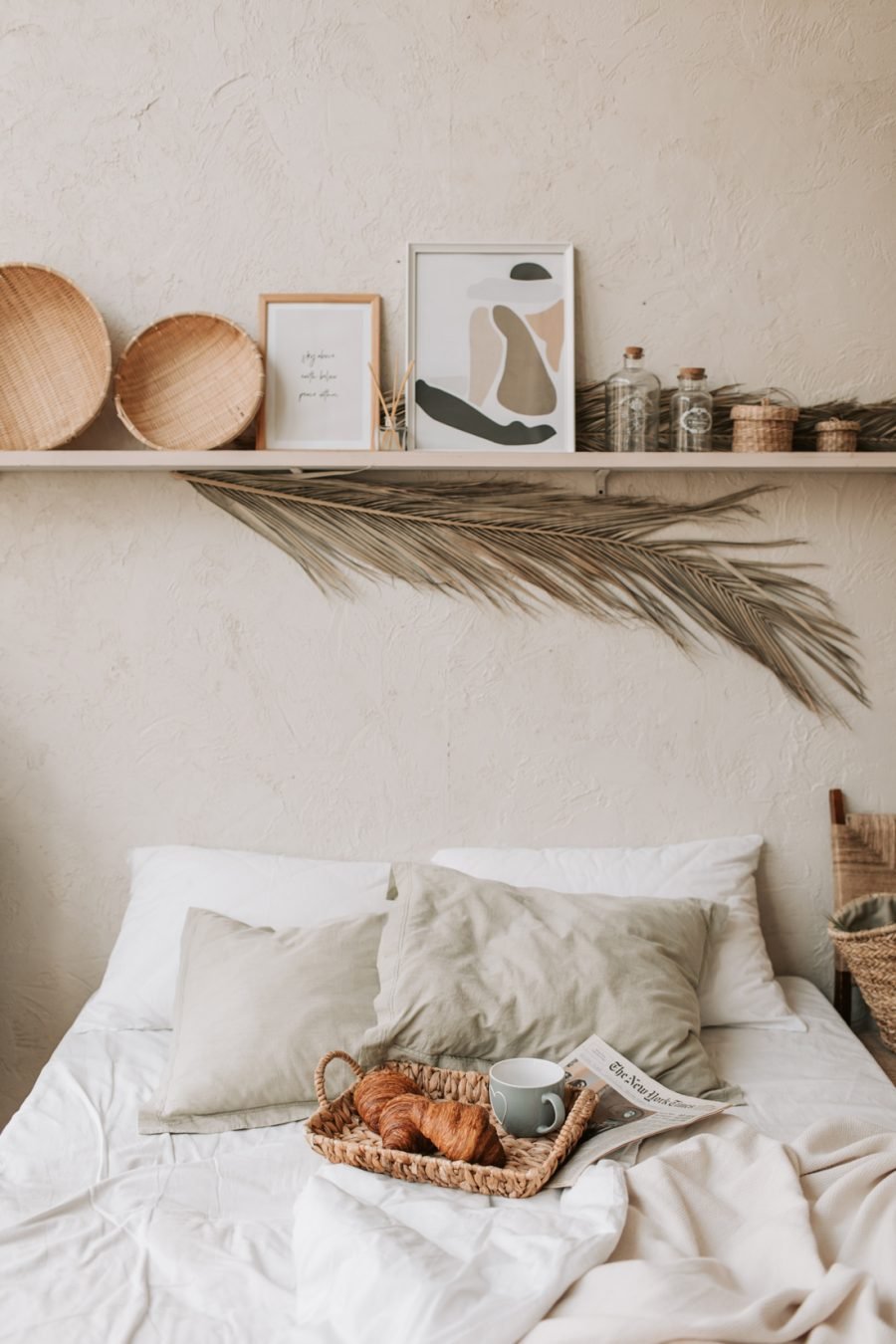
How to Make Your Home a Happy Place: Creating Comfort and Joy
Creating a home that feels like a sanctuary is a beautiful journey. It’s filled with small changes that make a significant difference. One of the…
Creating a home that feels like a sanctuary is a beautiful journey. It’s filled with small changes that make a significant difference.
One of the simplest ways to make your home a happier place is by minimizing clutter and organizing your space. This not only clears your physical space but also lightens your mental load. This allows for a more peaceful environment.
Bringing elements of nature indoors can also transform your space. Incorporate greenery by adding houseplants, which can improve air quality and add a touch of vitality to your home.
Personal touches such as family photos or cherished mementos can evoke warmth and joy, making your home feel uniquely yours.
Consider the connections you have with those around you. Fostering a sense of community, like making friends with your neighbors, can enrich your living experience and bring joy to your everyday life.
Simple acts like offering to water their plants when they are away can strengthen these bonds. This sense of connection contributes to a welcoming and happy atmosphere in your home.
Creating a Welcoming Atmosphere
To create a serene and inviting home, focus on optimizing natural light, incorporating plants and greenery, and choosing a harmonious color palette.
Each element plays a crucial role in enhancing the warmth and comfort of your living space.
Optimize Natural Light
Natural light is a transformative element in any home. Positioning mirrors across from windows can amplify sunlight, creating a bright and airy feel.
Use light, sheer curtains that allow sunlight to filter through, rather than heavy drapes that block light.
Consider window treatments that can be easily adjusted to let in varying amounts of daylight throughout the day. Arrange furniture to avoid obstructing windows, ensuring an unobstructed path for light.
The way daylight moves through your home not only uplifts the mood but also makes spaces appear larger and more inviting.
Incorporate Plants and Greenery
Bringing plants into your home adds a touch of nature and vitality. Select a variety of indoor plants based on the amount of care you can provide.
For a low-maintenance approach, consider succulents or snake plants. They are hardy and can thrive in a range of lighting conditions.
Tip: Group plants of different heights and textures to create visual interest and depth. Place them in living areas, kitchens, or bathrooms to infuse life and fresh air throughout your home.
Scientific studies have shown that having plants indoors can boost mood and purify the air, adding a natural layer of health and happiness to your spaces.
Choose a Harmonious Color Palette
Colors greatly influence mood and ambiance. Opt for soft, soothing tones like blues, greens, and neutral shades that promote relaxation.
These colors can help create a peaceful atmosphere that reduces stress and fosters calmness.
Consider layering complementary colors to add balance. You can introduce accent colors through pillows, throws, and artwork without overwhelming the senses.
Each room might have a slightly different palette, but maintaining a coherent scheme throughout your home enhances the sense of flow and connection between spaces. By choosing colors wisely, you’ll cultivate a welcoming environment that feels both nurturing and refreshing.
Establishing Comfort and Coziness
Creating a cozy and comfortable environment in your home can transform how you feel in your space. Focusing on seating, textiles, and lighting will enhance warmth and relaxation.
Invest in Comfortable Seating
Your seating choices are crucial for a cozy home. Focus on pieces that invite you to sink in, like plush sofas or overstuffed armchairs.
Look for cushions that retain their shape while offering softness.
Mix and match seating options to accommodate different spaces and preferences. Consider a sectional for the living room and a chaise lounge in a reading nook. These choices encourage relaxation and interaction, making every corner of your home feel welcoming.
For guidance, Apartment Therapy suggests arranging furniture to facilitate communication and comfort.
Add Soft Textiles and Throws
Incorporate soft textiles and throw blankets throughout your home to enhance comfort. Choose materials like wool, cotton, or fleece for their warmth and texture.
Drape these over couches, chairs, or beds to invite anyone to snuggle up.
Textures play a significant role in creating a warm atmosphere. Layering different fabrics can add depth, while soft rugs underfoot can make a room feel complete.
Keep a basket of extra throws in the living area to provide easy access during chilly evenings. Using textiles creatively will make each space more intimate and inviting.
Introduce Ambient Lighting
Lighting can dramatically affect a room’s mood. Introduce ambient lighting to cast a soft glow that soothes and relaxes.
You might want dimmable lamps or in-wall dimmers for overhead lights, which let you adjust brightness levels to suit any occasion.
Experiment with candlelight for a touch of warmth, or fairy lights for a hint of magic. Position lights to illuminate the room without harshness. Utilize reflective surfaces like mirrors to bounce light around the space.
For more tips, check out suggestions from Apartment Therapy on cozying up with lighting tweaks.
Fostering Positive Energy
Creating a happy home involves numerous elements that support positive energy. Personalizing your space, maintaining organization, and using mood-boosting scents can transform your living environment into a place of comfort and joy.
Personalize Your Space
Infusing your personality into your home can elevate it from a mere dwelling to a nurturing sanctuary. Start by selecting decor that resonates with you, such as artwork or textiles that spark joy.
Display cherished photographs to evoke happy memories, making your space uniquely yours.
Consider incorporating colors that convey the emotions you want to feel in each room. Soft blues and greens can create calmness, while vibrant shades like yellow add cheerfulness. Adding meaningful details ensures your space feels inviting and warm.
Maintain Organization and Declutter
A clutter-free environment promotes peace and clarity. Regularly decluttering your home helps clear both physical and mental space.
Focus on removing unnecessary items that no longer serve a purpose, which can also eliminate negative energy.
Use organization tools like baskets and shelves to keep essentials arranged neatly. A well-organized space not only looks appealing but also makes daily tasks more manageable, contributing to a serene atmosphere. Keep your surroundings tidy to maintain balance and tranquility.
Incorporate Mood-Boosting Scents
Aromas play a significant role in influencing your mood and emotions. Introduce scents like lavender or chamomile to calm and soothe.
Citrus fragrances, such as orange or lemon, can uplift and invigorate. These scents can be diffused through essential oils or candles.
Experiment with natural options like fresh flowers or herbs from your garden to add a refreshing aroma. Palo Santo can clear negative energy and invite good luck.
These scents not only enhance the ambiance but also support your emotional wellbeing.
Promoting Harmony and Balance
Creating a harmonious home means more than just arranging furniture. It involves integrating principles that enhance the energy and influence how you feel in your space. Making small changes to your home’s layout and design can foster a peaceful, balanced environment.
Adopt Feng Shui Principles
Feng shui is an ancient practice that focuses on arranging your living space to harmonize with natural energy forces.
Begin by assessing your home with a fresh eye, observing the flow of movement from room to room. Ensure pathways are clear and clutter-free.
Incorporate the Five Elements into your decor: wood, fire, earth, metal, and water.
Use a Bagua map to understand which areas of your home correspond to different aspects of your life, such as wealth or relationships. Mirrors can be strategically placed to reflect positive energy and expand space. Avoid sharp angles pointing where you relax, as these can disrupt the energy flow.
For more tips, consider consulting a professional or visiting resources like the Art of Feng Shui.
Designate Areas for Rest and Activity
Balance in the home involves creating distinct zones for various activities. Your bedroom should be a sanctuary dedicated to rest.
Use soft lighting and calming colors, and keep electronic devices away from your bed to promote relaxation.
In contrast, areas designated for activity, such as a home office or gym, benefit from brighter lighting and more vibrant colors to energize and motivate.
Consider the psychology of colors; blues and greens promote calmness, while yellows and reds can increase energy.
It’s important that each area serves its purpose without overlap. This separation of spaces helps create mental boundaries, even in smaller homes. For additional peace-enhancing ideas, explore techniques to create a peaceful home.
Cultivating Connection and Community
Fostering connection and community within your home revolves around shared experiences and traditions. By creating spaces that invite togetherness and establishing rituals that families can look forward to, you cultivate an environment of warmth and closeness.
Create Communal Spaces
Designing areas in your home that encourage interaction is key to nurturing connections.
Consider arranging your furniture to promote conversation. Sofas and chairs can be placed in circular formations to ensure everyone feels included.
Adding a large communal table where everyone can gather for meals, games, or discussions makes a big difference.
Incorporate multi-functional spaces that blend cooking, dining, and living areas. Open-plan designs can enhance communication and make it easier to spend time together.
Make the space inviting with soft lighting, cozy textiles, and personal touches like family photos or shared memories.
Outdoor communal spaces, like a shared garden or patio, can be a great addition. These areas offer fresh air and a change of scenery, providing a perfect backdrop for family barbecues or relaxed evenings under the stars.
Encourage Family Traditions
Family traditions are the heartbeat of a happy home.
Establishing routines such as weekly movie nights, Sunday dinners, or seasonal celebrations can strengthen bonds. These traditions give everyone something to look forward to and promote a sense of belonging.
Encourage each family member to contribute ideas for new traditions.
This inclusivity ensures everyone feels valued and heard. For instance, choose a night for storytelling where each person shares a personal story or memory.
You might also want to celebrate smaller achievements together.
A monthly “celebrate us” day or a gratitude jar can become cherished practices. Traditions don’t have to be grand; the key is consistency and genuine participation from everyone involved.